DCO Secrets: How Meta Auto-Finds Your Next Winner
Turn the strategy into creatives
Create Meta ads for your product
Paste your product page. ADEN'S LAB turns the offer, audience, and positioning into complete ready-to-use Meta static ads.
Free to try No prompt writing
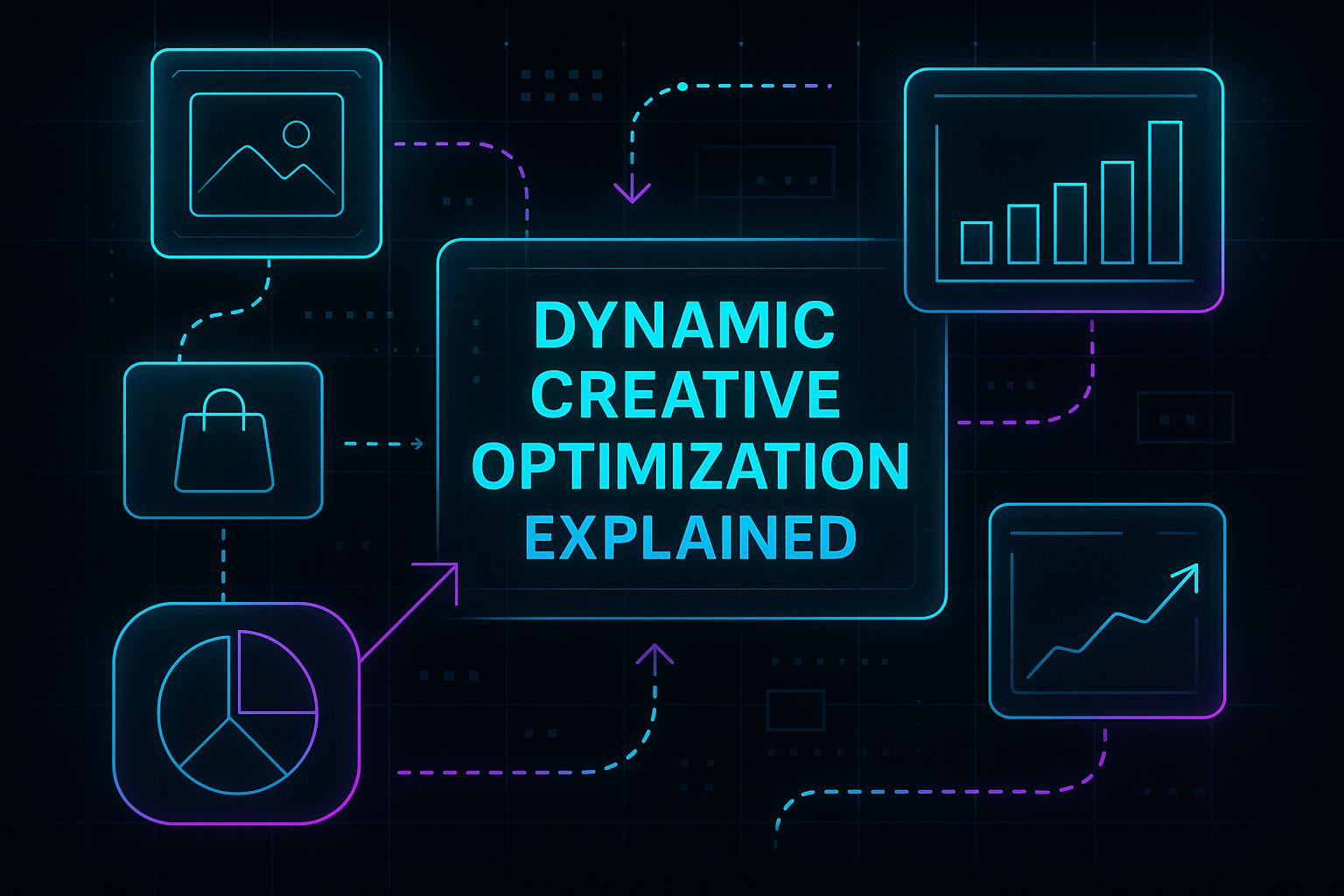
Dynamic Creative Optimization (DCO) transforms ads into highly personalized experiences using automation and real-time data. Unlike static ads, DCO tests and combines elements like images, headlines, and CTAs to deliver tailored content to each viewer. This approach not only improves engagement but also saves time by automating ad creation, optimization, and performance tracking.
Key Takeaways:
- What DCO Does: Combines creative elements to create personalized ads for different audience segments.
- How It Works: Uses data analysis, asset pooling, and real-time optimization to refine ad delivery.
- Why It Matters: Reduces manual work, improves ad relevance, and boosts campaign performance on platforms like Meta (Facebook/Instagram).
Quick Comparison: Dynamic Creative vs. DCO
| Feature | Dynamic Creative | Dynamic Creative Optimization |
|---|---|---|
| Mixes Assets | Yes | Yes |
| Real-Time Optimization | No | Yes |
| Performance Learning | No | Yes |
For businesses, tools like ADEN'S LAB simplify DCO by generating thousands of ad variations quickly and affordably. This enables faster testing, better insights, and improved ROI. By leveraging AI and automation, DCO is reshaping how marketers approach Meta advertising.
What Is Dynamic Creative Optimization (DCO)? - Marketing and Advertising Guru
Put the playbook to work
Apply this playbook to your page
Paste your website and the Lab will turn the strategy you are reading into a ready-to-test ads.
Free to try No prompt writing
How Dynamic Creative Optimization Works in Meta Ads
Meta's Dynamic Creative Optimization (DCO) transforms basic creative assets into highly personalized ad experiences. This process is broken into three main stages, ensuring the right ad reaches the right person at the perfect moment.
Data Collection and Analysis
Meta starts by gathering user data, including demographics, behavior patterns, and contextual information. This helps create detailed user profiles that guide ad personalization. For instance, someone who frequently interacts with sports-related content might see ads for athletic gear, while a user in a colder climate could be shown promotions for winter clothing. Real-time data segmentation identifies audience groups most likely to engage, improving both interaction rates and conversions. This data-driven approach forms the backbone of effective creative assembly.
Creative Asset Pooling
With these insights, advertisers compile a variety of creative assets. Meta suggests uploading 3–10 images or videos, along with 3–5 headline options, text variations, and call-to-action (CTA) phrases. Each asset should offer a unique perspective, such as lifestyle imagery, product close-ups, or promotional banners like "Shop Now" or "Limited Time Offer." A diverse asset pool allows for more tailored ad combinations, enhancing personalization.
Real-Time Ad Assembly and Optimization
Once uploaded, Meta's algorithm treats each asset as a building block, assembling them into customized ad combinations. For example, users in New York and Los Angeles might see ads reflecting their specific interests or local trends. This automated process ensures efficiency and accuracy. The system also tracks performance metrics in real time, rotating creatives and managing ad frequency to avoid overexposure. By reducing repetitive ads, it keeps users engaged.
One e-commerce brand reported a 35% increase in return on ad spend and a 20% drop in cost per lead using Meta's DCO system. This ongoing, real-time optimization makes campaigns more effective over time, delivering better results without constant manual tweaking.
Key Benefits of Dynamic Creative Optimization
Dynamic Creative Optimization (DCO) offers three major advantages that can transform how ad campaigns are executed. It tackles common challenges in digital advertising, such as delivering relevant content to the right audience, optimizing costs, and scaling campaigns efficiently.
Personalization at Scale
DCO ensures that every viewer gets ads tailored to their preferences. Instead of manually creating countless ad variations, DCO automates the process. By uploading creative assets, platforms like Meta can test thousands of combinations across various audience segments. For example, an e-commerce brand with 50 products can experiment with thousands of ad variations without manually designing each one. The algorithm continuously learns which combinations resonate most, ensuring users see the ads that align with their behaviors and interests.
This approach goes beyond basic demographics. It incorporates factors like behavioral signals, location, device type, time of day, weather, and even previous website activity to determine the best creative combination. For instance, a luxury shopper might receive ads emphasizing quality and exclusivity, while someone more budget-conscious sees promotions or discounts - all within the same campaign.
Cost and Time Efficiency
DCO significantly reduces the time and effort required to manage ad campaigns, making it especially valuable for teams with limited resources. Tasks that once demanded hours - like creating ad variations, uploading them, monitoring performance, and tweaking strategies - are now automated. DCO identifies underperforming ads and shifts budgets toward those delivering results, helping avoid ad fatigue.
For brands with large product catalogs, manually testing different creative elements could involve creating hundreds or even thousands of ads. DCO handles this complexity effortlessly. By automating these processes, marketers can focus more on strategic decision-making and refining their overall approach.
Data Insights and Continuous Improvement
DCO doesn’t just optimize ads - it also delivers detailed insights that go beyond basic metrics like click-through rates. Meta’s algorithm tests different creative combinations and gathers data on how audiences respond. This creates a feedback loop where ads are continuously adjusted based on real-time engagement. Marketers can track key metrics such as ROAS, CPL, CPM, CTR, and conversion rates to identify which creative elements perform best for specific audiences.
For example, video ads might resonate more with younger audiences, while static images could drive better results with older demographics. Regularly rotating ads - every 21 to 28 days - builds a wealth of knowledge about what works, enabling ongoing campaign improvements. Over time, this process leads to better performance with minimal manual input, allowing campaigns to evolve and stay effective.
Best Practices for Implementing Dynamic Creative Optimization
To run a successful dynamic creative optimization (DCO) campaign, you need a solid plan and the right tools. Three key elements often determine performance: a diverse set of creative assets, well-defined goals, and smart use of automation tools.
Build a Strong Creative Asset Library
Your creative assets are the backbone of any DCO campaign. Platforms like Meta allow you to use multiple assets, making it easier to test different combinations and figure out what works best for your audience.
It’s not just about having a lot of assets - quality matters too. Include a mix of visuals, messages, and styles. For example, you might use images that highlight product features alongside lifestyle shots that show the product in action. Organizing your assets by audience demographics, interests, or locations can help algorithms deliver ads that feel more relevant to users.
Keep things fresh by updating your creative library regularly. Experts suggest rotating assets every 21–28 days to keep engagement high and prevent ad fatigue. While introducing new assets, retain top performers to maintain momentum. With a well-stocked and updated library, you can set clear goals to guide your campaigns.
Define Clear Campaign Goals
DCO works best when you have specific, measurable goals. Whether it’s click-through rate (CTR), conversions, return on ad spend (ROAS), cost per lead (CPL), or cost per mille (CPM), having clear objectives helps the algorithm optimize effectively.
Your goals should match the purpose of your campaign. For instance, if you’re focused on brand awareness, prioritize reach and impressions. On the other hand, e-commerce campaigns should focus on metrics like conversions and ROAS. To balance cost and performance, many marketers set bid caps at 70–80% of their maximum cost-per-purchase. Regularly reviewing your metrics and adjusting as needed can ensure your campaign stays on track without wasting your budget.
These well-defined goals provide the foundation for leveraging AI-driven tools.
Use AI-Powered Platforms Like ADEN'S LAB
Traditional methods of creating ad content are often slow and expensive. AI-powered platforms can solve this problem by automating the process.
Take ADEN'S LAB, for example. This platform can produce hundreds of ad variations daily from a single product link. It pulls images, copy, reviews, and brand tone directly from product pages[1]. While traditional teams might create 5–14 ads a week at a high cost, ADEN'S LAB can generate over 1,000 ads daily for just $9 per 10 ads[1]. This dramatic cost reduction allows marketers to test more variations and quickly identify what works.
ADEN'S LAB also uses performance data from millions of dollars in ad spend to optimize every detail, from headlines to layouts, ensuring ads are designed to convert. It even maintains brand consistency by automatically recognizing and applying the correct fonts, colors, and layouts. This level of automation not only speeds up production but also strengthens the DCO framework outlined earlier.
For e-commerce brands or media buyers managing multiple products, this kind of automation is a game-changer. By testing ad variations faster than traditional methods, marketers can focus more on strategy and scaling successful campaigns.
A combination of a diverse creative library, clear objectives, and AI-driven tools like ADEN'S LAB can set the stage for DCO success. The next step is exploring how artificial intelligence can scale these practices across your entire advertising operation.
The Role of AI in Scaling Dynamic Creative Optimization
Artificial intelligence is revolutionizing dynamic creative optimization, turning a traditionally slow, labor-intensive process into a fast and highly efficient system. While traditional creative teams might manage to produce only a handful of ad variations weekly, AI-powered platforms can churn out thousands daily, fundamentally shifting the way marketers approach Meta advertising.
Automating Creative Generation
AI removes the bottleneck of manual ad creation by swiftly analyzing product details and crafting complete ad variations without human input. For instance, when you provide a product link to a platform like ADEN'S LAB, the system processes the product information and generates professional Meta ads in just seconds.
This isn’t just about filling templates. AI platforms, trained on extensive ad performance data, are designed to understand what drives conversions. Every headline, layout, and hook is tailored to evoke emotions, grab attention, and drive clicks - focusing on results over aesthetics. Take ADEN'S LAB, for example: it can produce around 12 ads in 90 seconds, with most ad kits completed in just 3 to 6 minutes.
Compared to the weeks traditional teams might spend on similar tasks, AI’s speed and efficiency allow for faster production and more aggressive testing.
Scaling Ad Production and Testing
With rapid creative generation as a foundation, AI enables marketers to scale campaigns and refine them continuously. Instead of testing a few dozen variations over weeks, brands can now experiment with thousands of ad combinations daily. ADEN'S LAB showcases this capability by generating over 1,000 ads per day through fully automated processes. It also ensures brand consistency by automatically applying the correct fonts, colors, and layouts to every variation.
For example, a U.S.-based e-commerce company using ADEN'S LAB was able to produce hundreds of ad variations daily from a single product link. Within days, they identified the top-performing creatives and boosted conversion rates by 30% in just one month. Similarly, Target reported a 20% increase in conversions after refining their dynamic ads with AI-driven insights. This constant testing and refreshing of creative combinations not only prevents ad fatigue but also keeps audiences engaged over longer campaigns, creating a cycle of continuous improvement that drives better results for Meta ads.
Maximizing ROI Through AI-Driven Insights
AI doesn’t just streamline production and testing - it also delivers data-driven insights to maximize ROI. Unlike traditional methods that often rely on subjective judgment, AI analyzes behavioral, demographic, and contextual data to pinpoint the elements that truly drive conversions.
The financial benefits are hard to ignore. AI-powered dynamic creative optimization can slash production costs by up to 100 times compared to traditional agencies or in-house teams. For instance, while an agency might charge over $1,000 for 10 ads with a two-week turnaround, platforms like ADEN'S LAB can deliver the same quantity for just $9 - and they do it instantly.
Moreover, AI systems continuously monitor real-time performance data, fine-tuning creative delivery to ensure the best-performing combinations reach the right audience segments. By tracking engagement metrics like click-through rates and conversions, these systems help minimize wasted ad spend and maximize campaign performance.
ADEN'S LAB even backs its results with a bold promise: if the ads it generates don’t deliver at least 25 times their cost in returns, they’ll create another batch for free until they do. Beyond immediate gains, AI provides actionable insights for future campaigns - helping marketers understand which creative elements resonate most, when to refresh content, and how to optimize targeting for peak effectiveness.
Conclusion and Key Takeaways
Dynamic Creative Optimization (DCO) is reshaping how Meta advertising operates by replacing time-intensive manual processes with automated, data-driven systems. This shift allows advertisers to achieve personalization and scale with unmatched efficiency. As competition grows fiercer and privacy regulations tighten, DCO has become a critical tool for delivering tailored campaigns and maximizing ad performance. It’s clear that this approach is paving the way for more impactful and scalable advertising strategies.
Why DCO Matters in Performance Marketing
DCO stands out for its ability to improve personalization, streamline operations, and constantly refine ad performance. Traditional static ads simply can’t keep up with today’s fast-changing consumer behaviors and shrinking attention spans.
On Meta platforms, DCO is particularly effective. By using multiple creative assets, it can generate thousands of unique ad combinations tailored to specific audience segments. This level of automation eliminates bottlenecks in creative testing and optimization, making it a game-changer for marketers. Notably, 82% of marketers are now prioritizing first-party data to power dynamic ads.
ADEN'S LAB: A Scalable Solution
AI-driven tools like ADEN'S LAB are taking the benefits of DCO to the next level by offering practical, scalable solutions for businesses. With ADEN'S LAB, companies of all sizes - not just large enterprises with deep pockets - can access cost-effective dynamic creative solutions.
The financial benefits are striking. ADEN'S LAB can produce over 1,000 ads daily at a fraction of the cost of traditional methods. For just $9 per 10 ads, marketers gain access to conversion-optimized campaigns without sacrificing quality. The platform’s AI is trained on extensive ad performance data, ensuring that every creative element is fine-tuned for maximum results.
Marketers simply input a product link, and the platform generates complete ad campaigns that maintain brand consistency while testing multiple variations simultaneously. This eliminates the manual effort traditionally required for creative production. For brands aiming to stay competitive in today’s fast-evolving digital landscape, ADEN'S LAB provides a growth engine that adapts to shifting market dynamics, consumer preferences, and privacy standards.
As digital advertising continues to evolve, the combination of DCO and AI-powered tools is becoming indispensable for achieving sustainable growth and staying ahead in an increasingly competitive market.
FAQs
What makes Dynamic Creative Optimization more efficient and personalized compared to traditional dynamic creative methods?
Dynamic Creative Optimization (DCO) pushes ad personalization further by using real-time data to customize elements like images, headlines, and calls-to-action for each individual viewer. Instead of sticking to pre-designed variations, DCO dynamically builds and adjusts creatives based on factors like user behavior, demographics, and preferences.
This method doesn’t just save time - it enhances ad performance by delivering content that feels directly relevant to each person. The result? Better engagement and higher conversion rates. For marketers aiming to scale campaigns while keeping them personal, DCO is a game-changer.
What data does Meta use for Dynamic Creative Optimization, and how is user privacy protected?
Dynamic Creative Optimization (DCO) takes user data - like demographics, interests, behaviors, and engagement patterns - and uses it to create ads that feel more relevant to specific audiences. By analyzing these details, DCO adjusts creative elements such as images, headlines, and calls-to-action, ensuring the right message reaches the right people at the perfect moment. The result? Ads that perform better and connect more effectively with their audience.
Meta prioritizes privacy by strictly following regulations like GDPR and CCPA. User data is anonymized and aggregated, meaning personal information isn’t directly shared with advertisers. This careful approach strikes a balance between personalization and privacy, delivering impactful ads while safeguarding user rights.
How can small businesses use AI-powered tools like ADEN'S LAB to compete with larger companies in digital advertising?
Small businesses now have a powerful tool in AI-driven platforms like ADEN'S LAB to help them compete in the digital advertising world. These platforms simplify ad creation by automating the process and fine-tuning ads for better performance. The result? High-quality Meta ads can be produced quickly and at a much lower cost compared to traditional methods.
This approach not only reduces production expenses but also speeds up campaign testing. With less time and money spent on creating ads, small businesses can redirect their energy toward growth and scaling efforts, giving them a real shot at competing with larger companies in the crowded digital advertising space.
Your next ad batch starts here
Finish with a ready-to-test ad batch
Paste your website to generate static creatives. Drop the link → get ads in about 90 seconds → upload them to Meta → scale.
Free to try No prompt writing